




Advertisement
As unsettled weather conditions approach parts of the UAE, residents are being urged to review their car insurance policies before heavy rain, strong winds, and thunderstorms arrive. With sudden downpours and possible flooding expected, knowing exactly what your policy includes can make a significant difference when unexpected situations occur.
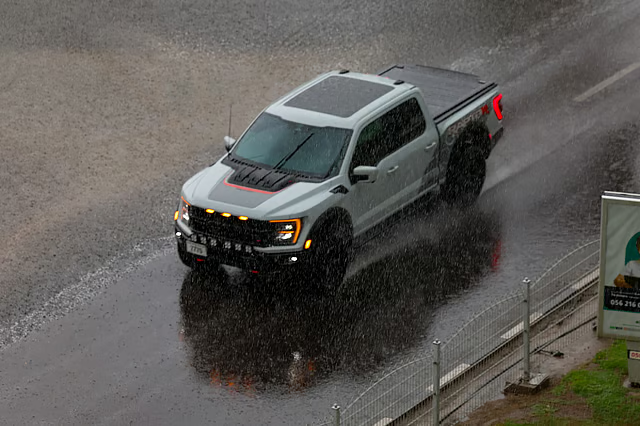
Car insurance is a legal requirement for all registered vehicles across the UAE. At the very least, drivers must hold third-party liability coverage to complete registration or renewal. However, not all policies offer the same level of protection, especially during extreme weather conditions.
Understanding your options becomes particularly important during periods of unstable weather, when risks such as water damage, debris impact, or reduced visibility can increase.
Comprehensive insurance: broader protection during severe weather Comprehensive car insurance generally offers wider coverage, including protection against weather-related damage such as heavy rain or flooding. While the exact scope depends on the policy, this type of coverage is designed to protect the vehicle from a variety of non-collision incidents.
Typically, comprehensive policies may include protection against theft or intentional damage, accidental fire, and natural events such as storms or flooding. They can also extend to damage caused by falling objects like debris or tree branches, as well as incidents involving animals. In many cases, repairs or replacement of damaged glass, such as windscreens, are also included.
Although comprehensive insurance is not mandatory, it is often chosen by drivers seeking more complete protection. Most policies include a deductible, meaning the policyholder contributes a set amount before the coverage applies.
It is important to review individual policy terms carefully. Some plans may include exclusions or conditions related to weather events, particularly if official warnings are issued and vehicles are driven in high-risk situations.
Third-party insurance: essential but limited Third-party insurance is the minimum legal requirement in the UAE and focuses on covering damage or injury caused to others. This includes costs related to property damage, medical expenses for affected individuals, and, in some cases, legal liabilities arising from an accident.
However, this type of coverage does not extend to the policyholder’s own vehicle. Any damage caused by flooding, heavy rain, or other environmental factors would not typically be included. Personal injuries sustained by the driver are also not covered under standard third-party policies.
Because of its narrower scope, third-party insurance is generally more affordable. It serves as a basic financial safeguard for others involved in an incident but does not provide protection for the insured vehicle itself.
Why policy awareness matters during extreme weather During periods of heavy rain and unpredictable conditions, the difference between these two types of insurance becomes especially clear. While comprehensive coverage may offer support in a wider range of scenarios, third-party insurance remains limited to external liabilities.
Drivers are encouraged to take a closer look at their policy details, including coverage limits, exclusions, and specific conditions related to weather events. In some cases, claims may be affected if vehicles are used in unsafe conditions despite official advisories.
With changing weather patterns becoming more frequent, staying informed about insurance coverage is not just a formality, but a practical step toward reducing financial uncertainty and ensuring greater peace of mind on the road.


Advertisement


Advertisement


Advertisement


Advertisement


